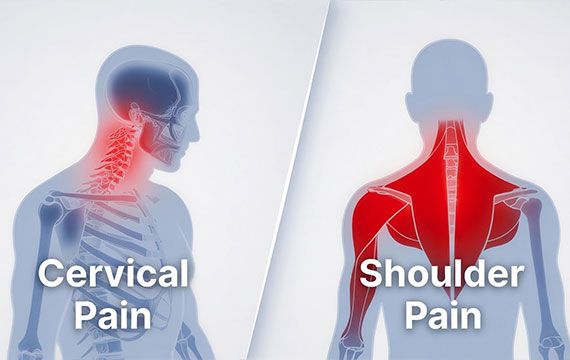
Cervical Pain vs Shoulder Pain: Is Your Neck the Culprit or Your Shoulder Playing Tricks?
Pain around the neck and shoulder can be confusing. One day it feels like your shoulder is the problem, the next day your neck feels stiff—and suddenly you’re not sure where the pain is actually coming from.
You’re not alone. This is one of the most common complaints seen by an orthopaedic doctor (bone and joints specialist). Cervical pain and shoulder pain often mimic each other. Let’s break it down in a simple, no-medical-jargon way.
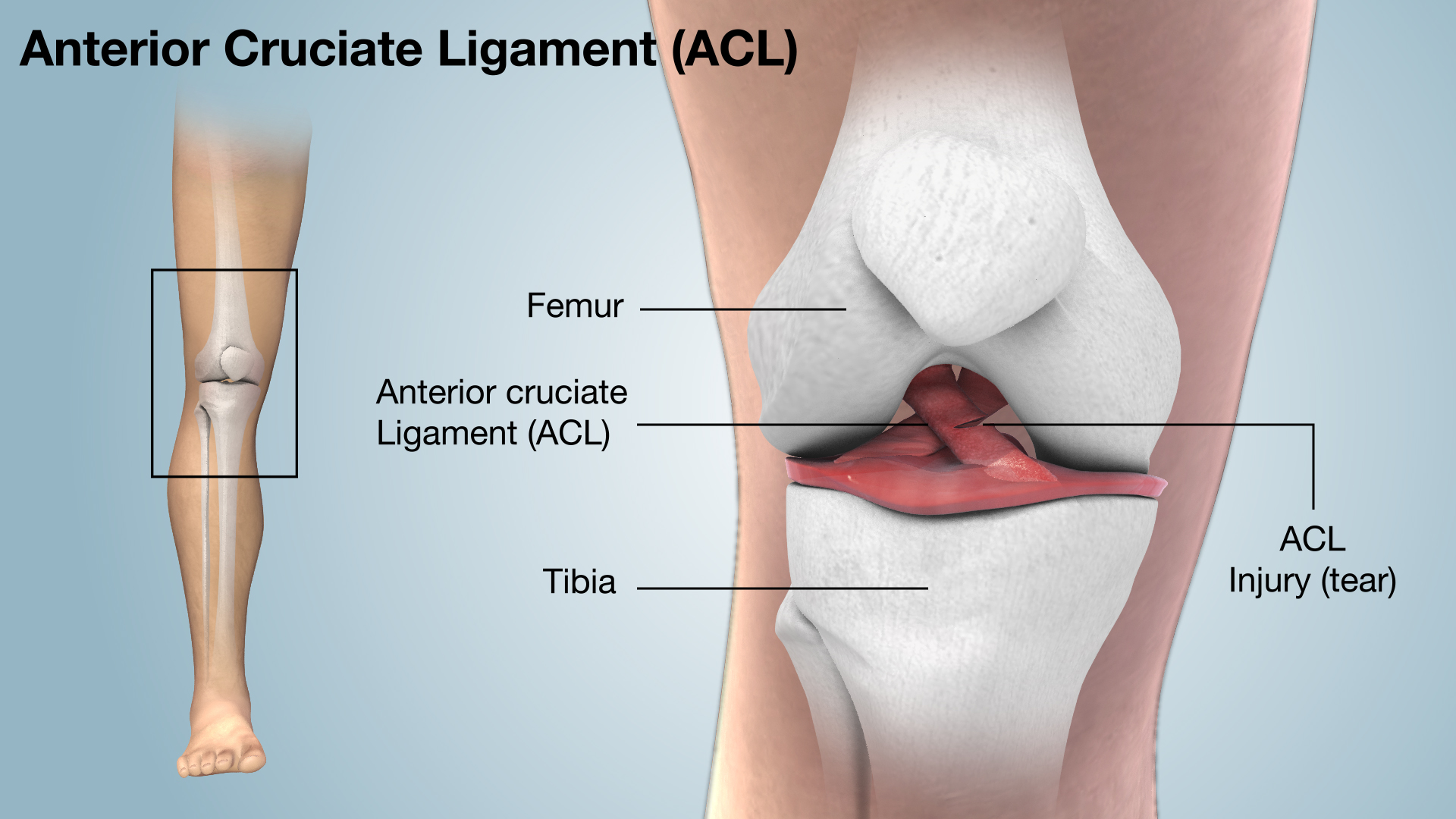
What Is an ACL Injury? When Do You Need Surgery — and When Can Physiotherapy Be Enough?
Knee injuries are extremely common — especially if you play sports, work out regularly, or even just twist your knee awkwardly during daily activities. One of the most important structures inside the knee is the ACL. When it gets injured, it can seriously affect how stable and confident your knee feels.
So what exactly is an ACL injury? And does it always mean surgery? Let’s break it down in simple terms.
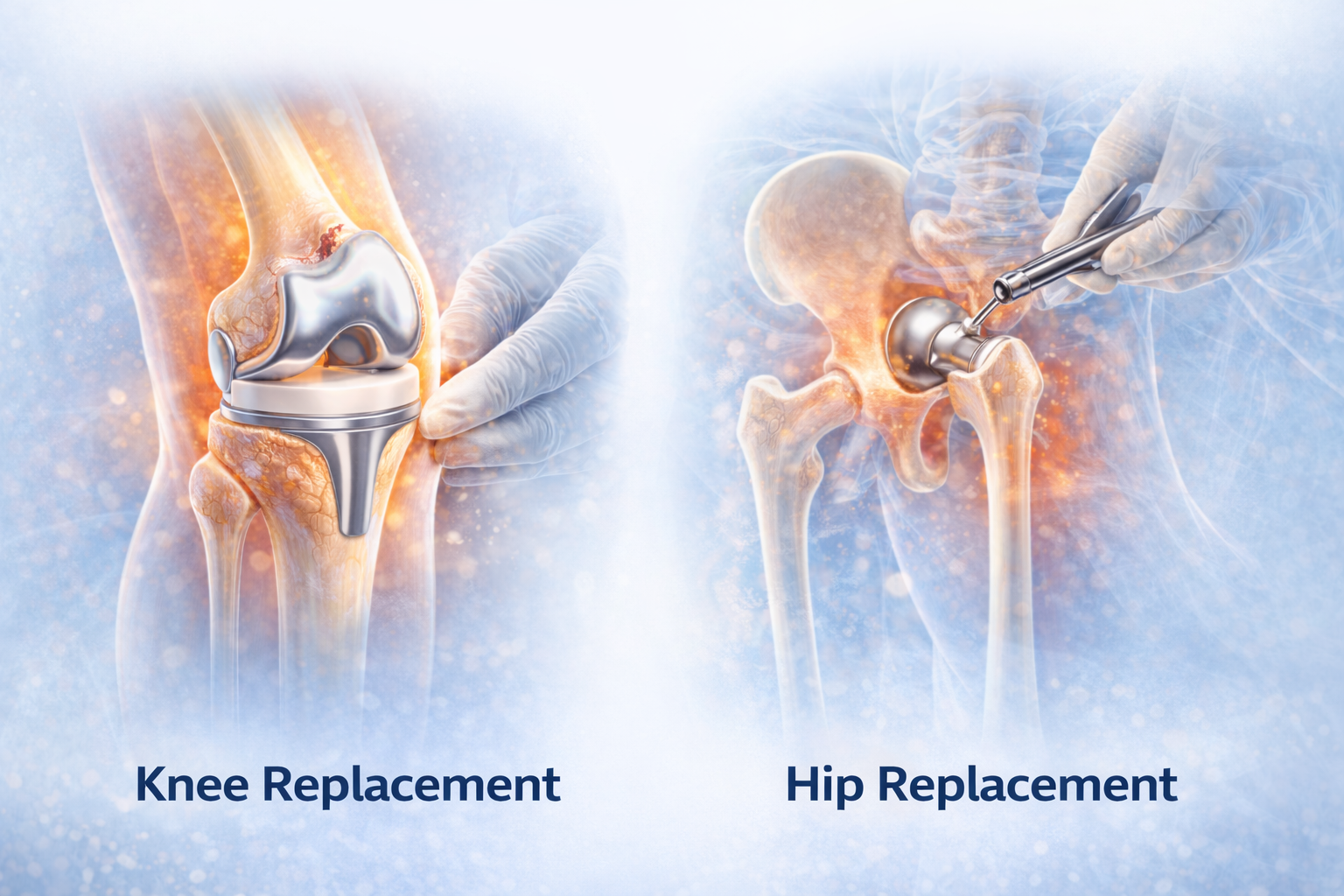
What to Expect When You Get Knee or Hip Surgery – A Complete Patient Guide
For many people living with long‑standing knee or hip pain, surgery can feel like a big step. It’s normal to have questions, concerns, and even a bit of anxiety about what lies ahead. The good news is that modern orthopaedic procedures—especially knee and hip replacement surgeries—have helped lakhs of patients return to a more active and comfortable life.
If your doctor has recommended knee or hip surgery, understanding the process can make the journey much easier. This guide walks you through what typically happens before, during, and after surgery so you can feel more prepared and confident about the road to recovery.

Role of Physiotherapy after Bone or Joint Surgery – Why It’s Non-Negotiable
Undergoing bone or joint surgery—whether it’s a fracture fixation, ligament repair, or joint replacement—is a major step toward recovery. However, what many patients often overlook is that surgery alone does not complete the healing journey. The real transformation begins after surgery through a structured and guided rehabilitation process.
Read More